JAPAN - Winter's imperial reverie
JAPAN - Winter's imperial reverie
Day 1: Athens – Tokyo
Departure via an intermediate connection to Tokyo, the dazzling capital of the Land of the Rising Sun.
A spectacular metropolis that evolved from the former settlement of Edo into one of the world's most advanced and influential cities, Tokyo represents an extraordinary fusion of innovation and tradition.
Here, futuristic architectural masterpieces and gleaming skyscrapers coexist with peaceful historic neighbourhoods, where the romance, mystery, and deeply rooted traditions of Japan remain beautifully preserved.
Day 2: Tokyo – City Sightseeing Tour
Arrival in Tokyo, one of the world's most extraordinary metropolitan centres.
From the moment we land at Tokyo's international airport, we experience a defining characteristic of Japanese society: an exceptional sense of order, tranquillity, cleanliness, and courtesy.
Despite the immense volume of international travellers, airport procedures are handled with remarkable efficiency, supported by the sophisticated technology for which Japan is internationally renowned.
Even our journey into the city offers an introduction to Japanese precision, with impeccably maintained roads, orderly traffic, and an impressive urban infrastructure.
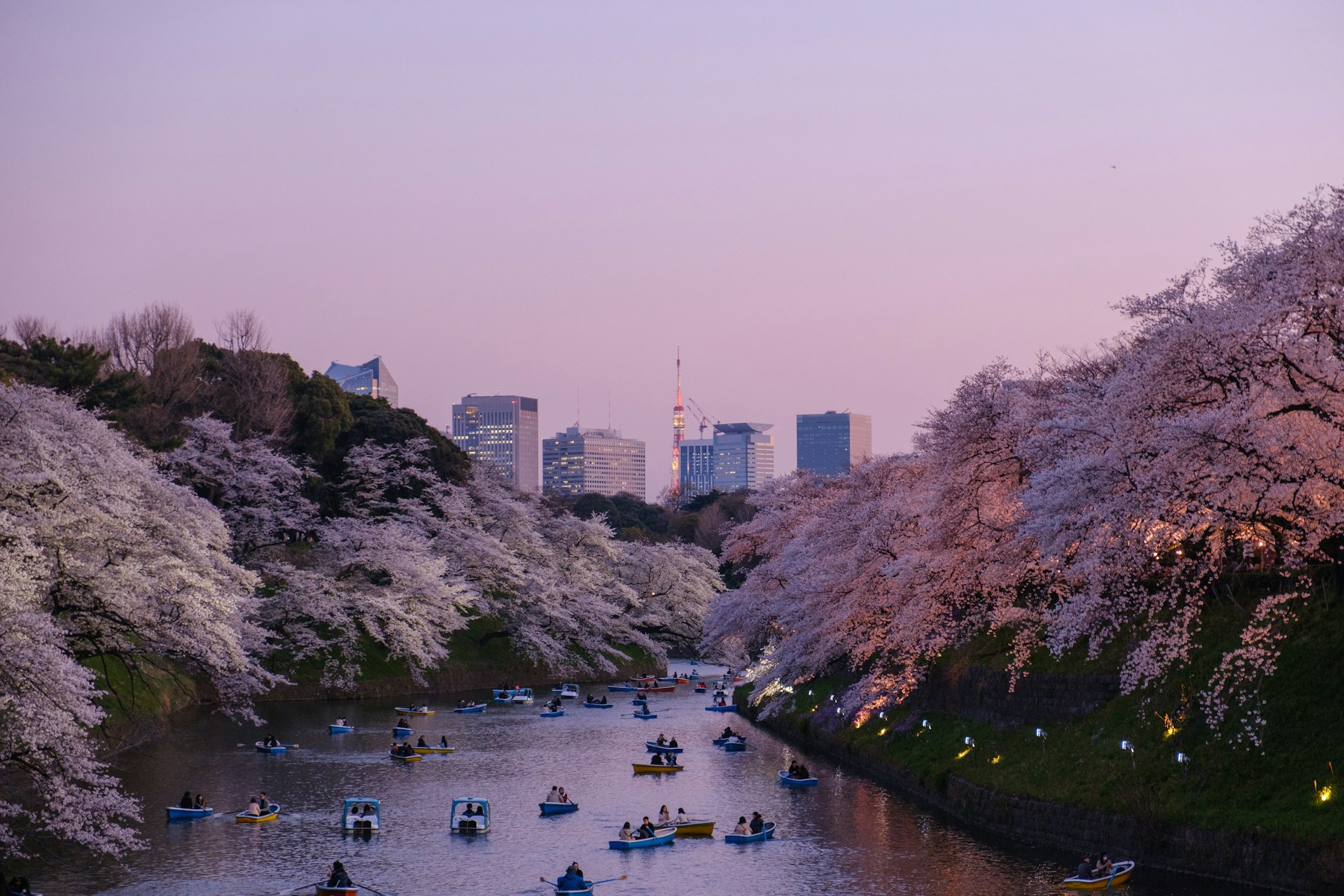
Our sightseeing tour begins at the magnificent Imperial Palace, the official residence of Japan's Imperial Family. We admire the palace from the outside and discover its beautifully landscaped surroundings, which form one of central Tokyo's most important green spaces.
Our next stop is the Tokyo Metropolitan Government Building, where we ascend to the observation deck for spectacular panoramic views across one of the largest urban landscapes on Earth.
We continue to the serene Meiji Jingu Shrine, a Shinto sanctuary dedicated to Emperor Meiji and Empress Shōken.
Emperor Meiji played a pivotal role in Japan's transformation during the second half of the nineteenth century, overseeing reforms that helped the country evolve from a feudal society into a modern global power.
Construction of the shrine complex began in 1915, with its principal buildings completed in the early 1920s and the surrounding grounds developed in the following years.
The sanctuary offers a fascinating introduction to Shinto, Japan's indigenous spiritual tradition, and its profound influence on the country's cultural identity.
Our journey continues to the vibrant district of Shibuya, where we experience the world-famous Shibuya Crossing, one of the busiest pedestrian intersections on the planet.
At peak moments, thousands of people cross simultaneously in different directions, creating a remarkable spectacle of movement and coordination.
Nearby, we visit the beloved Hachikō Statue, dedicated to the legendary dog whose extraordinary loyalty has become a cherished symbol of devotion in Japanese culture.
We then discover fashionable Omotesando, renowned for its striking contemporary architecture, elegant boutiques, and sophisticated urban design.
The neighbouring district of Harajuku reveals another side of Tokyo, characterised by youthful creativity, unconventional fashion, bohemian influences, and a vibrant street culture.
Dinner and overnight accommodation.
Day 3: Tokyo – Full-Day Excursion to Nikko
Today, we embark on a fascinating full-day excursion to Nikko, one of Japan's most extraordinary cultural and spiritual destinations.
Located approximately 159 kilometres northeast of Tokyo, Nikko is surrounded by breathtaking mountain scenery and lush forests within a national park of exceptional natural beauty.
The region is home to an outstanding collection of 103 historic structures, including two celebrated Shinto shrines, Tōshō-gū and Futarasan-jinja, and the Buddhist temple complex of Rinnō-ji.
Together, these magnificent monuments form the Shrines and Temples of Nikko, recognised as a UNESCO World Heritage Site in 1999.
The area's religious heritage dates back to the eighth century and the Buddhist monk Shōdō Shōnin, while its most celebrated monuments are closely associated with the powerful Tokugawa dynasty.
Nikko is also the final resting place of Tokugawa Ieyasu, one of the most influential figures in Japanese history and founder of the Tokugawa shogunate.
Our guided exploration reveals an extraordinary architectural world, where richly decorated shrines and temples stand in striking contrast to the restrained simplicity traditionally associated with Japanese design.
Intricate carvings, elaborate reliefs, and representations of animals and birds adorn these sacred buildings, offering fascinating insights into the artistic achievements and spiritual traditions of the Tokugawa era.
We begin at the picturesque Shinkyō Bridge, an elegant red arched bridge spanning the Daiya River, before continuing through the magnificent religious complex.
Surrounded by tranquil forests and remarkable architecture, we discover some of the most significant chapters in Japan's history.
Our excursion then takes us towards beautiful Lake Chūzenji, a mountain lake framed by spectacular natural scenery.
Finally, we stop to photograph the magnificent Kegon Falls, where water plunges approximately 97 metres into the dramatic landscape below.
In the late afternoon, we return to Tokyo.
Dinner and overnight accommodation.
Day 4: Tokyo – Second City Sightseeing Tour
Tokyo is an extraordinary metropolis formed through the gradual expansion and integration of numerous urban districts since the late nineteenth century.
Today, its greater metropolitan area is home to more than 30 million people, making it one of the largest urban agglomerations in the world.
Despite its immense scale, Tokyo remains remarkably organised, with distinctive neighbourhoods that make exploring the city an endlessly fascinating experience.
Our first stop is the beautiful Ueno Park, a peaceful green oasis in the heart of the metropolis.
We continue our cultural exploration with a visit to the Edo-Tokyo Museum, which presents the fascinating history, architecture, and everyday life of old Tokyo, from the Edo period through the twentieth century.
Next, we travel to the historic district of Asakusa, home to the magnificent Sensō-ji Temple.
Famous for its enormous red lanterns and traditional architecture, Sensō-ji is one of Tokyo's most recognisable religious landmarks.
We stroll along Nakamise Shopping Street, a lively pedestrian avenue lined with shops selling traditional Japanese sweets, handicrafts, and souvenirs.
Our journey continues to Akihabara, internationally celebrated as Electric Town.
This vibrant district is a paradise for enthusiasts of technology, anime, manga, gaming, and Japanese pop culture.
Countless shops offer electronic gadgets, collectables, robots, figurines, and merchandise inspired by beloved fictional characters.
The area's imaginative themed cafés add another fascinating dimension to this colourful and futuristic neighbourhood.
We conclude our sightseeing experience in elegant Ginza, Tokyo's prestigious shopping and entertainment district.
Here, sophisticated cafés, striking luxury boutiques, and beautifully designed flagship stores line some of the world's most exclusive shopping streets.
Dinner at a local restaurant, followed by our return to the hotel for overnight accommodation.
Day 5: Tokyo – Mount Fuji – Hakone – Lake Ashi Cruise – Kyoto by Bullet Train
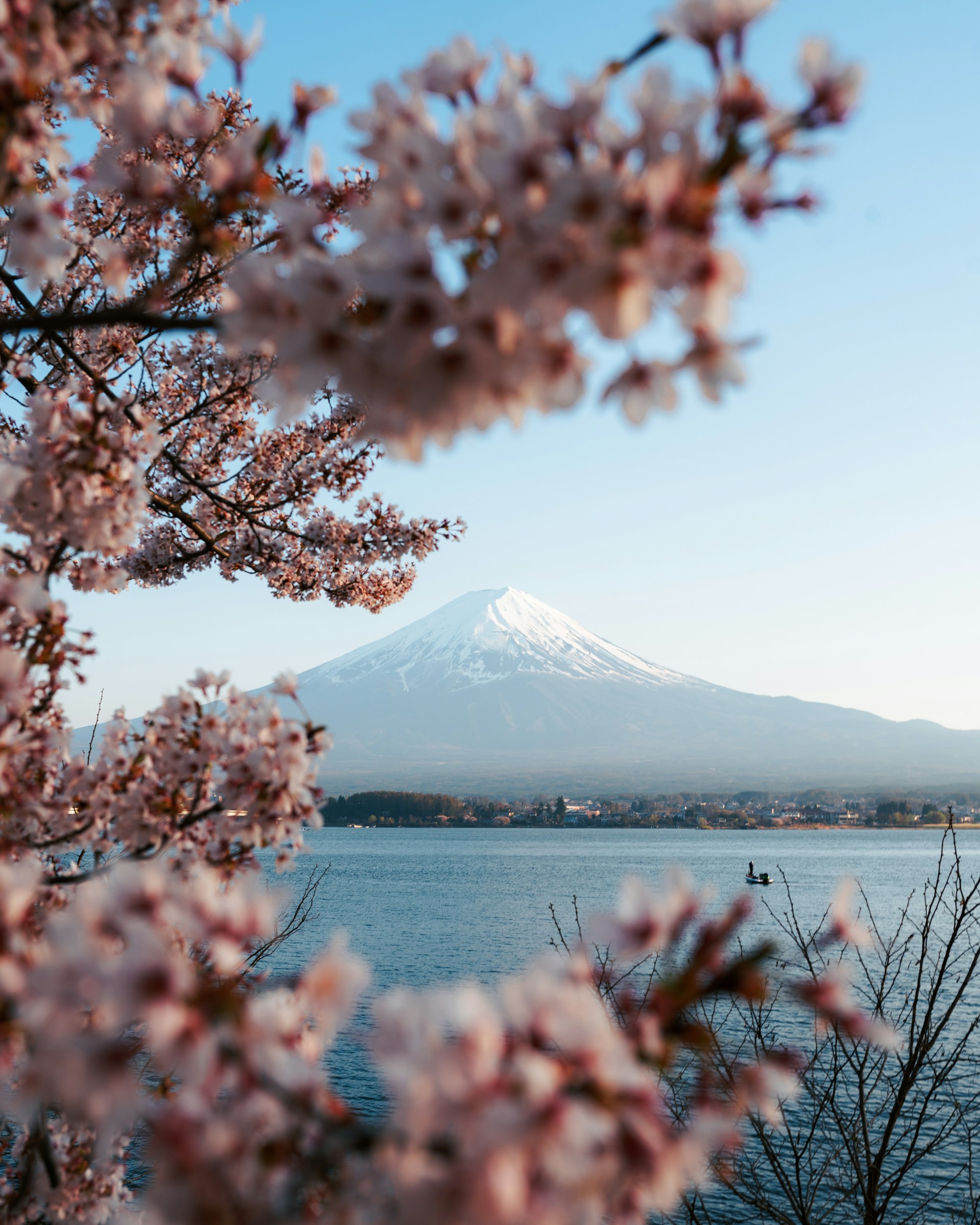
An ancient Japanese saying reminds us: “Never call anything beautiful until you have seen Mount Fuji.”
Few landmarks embody the spirit and identity of Japan as profoundly as the magnificent Mount Fuji.
Rising to an altitude of 3,776 metres, this perfectly proportioned volcanic mountain has dominated the Japanese landscape and imagination for centuries.
Its last recorded eruption occurred in 1707, and although it remains an active volcano, Mount Fuji continues to inspire admiration through its extraordinary beauty and spiritual significance.
Revered as a sacred mountain, it has inspired countless poems, paintings, and artistic masterpieces throughout Japanese history.
On clear days, the views from the surrounding Hakone region are truly breathtaking.
During today's excursion, weather permitting, we travel towards Mount Fuji's Fifth Station, offering an exceptional opportunity to appreciate the immense scale and majestic beauty of its snow-capped volcanic slopes.
Standing in the presence of this extraordinary natural landmark, we begin to understand why Mount Fuji has captivated generations of artists, pilgrims, and travellers.
The mountain forms part of the vast Fuji-Hakone-Izu National Park, an area celebrated for its beautiful mountain lakes, pristine natural landscapes, therapeutic hot springs, and luxurious resort facilities.
Its proximity to Tokyo has made the region one of the capital's most popular destinations for relaxation and nature escapes.
Our exploration continues with a delightful cruise across Lake Ashi, where tranquil blue waters and magnificent mountain scenery create an unforgettable atmosphere.
Following this scenic experience, we transfer to the railway station and board Japan's legendary Shinkansen bullet train for our journey to Kyoto, located on the island of Honshu.
Dinner and overnight accommodation.
Day 6: Kyoto – First City Sightseeing Tour & Traditional Tea Ceremony
Kyoto is widely regarded as Japan's most historic and culturally refined city.
To visit Kyoto is to embark on a journey through more than eleven centuries of Japanese history, art, spirituality, and tradition.
Often considered the country's cultural heart, Kyoto preserves the essence of classical Japan through its magnificent temples, sacred shrines, elegant gardens, and timeless customs.
Established as Japan's imperial capital in 794 under the name Heian-kyō, the city later became known as Kyoto and retained its position as the imperial capital until 1868.
Its exceptional cultural significance helped preserve much of its historic heritage during the Second World War.
Today, Kyoto is home to an extraordinary concentration of artistic treasures, with more than 1,700 Buddhist temples and over 300 Shinto shrines.
It is a city where the traditions of geisha, kimono, samurai, and sumo remain an important part of Japan's cultural identity.
Our exploration begins at Sanjūsangen-dō Temple, renowned for its extraordinary collection of one thousand statues of Kannon, the Buddhist deity of compassion.
The remarkable sight of these sacred figures creates an atmosphere of profound serenity and reverence.
We continue to the magnificent Fushimi Inari Shrine, one of Japan's most celebrated Shinto sanctuaries.
Here, seemingly endless rows of brilliant vermilion torii gates form enchanting pathways through the surrounding forested hills.
Walking beneath these iconic gates is an unforgettable experience, combining natural beauty with a deep sense of spiritual tranquillity.
Our next destination is Nijō Castle, the impressive former residence of the Tokugawa shoguns.
The castle is renowned for its beautifully decorated interiors, exquisite Japanese gardens, and famous nightingale floors, designed to produce a distinctive sound when walked upon.
We then visit Heian Jingū Shrine, one of Kyoto's most recognisable spiritual landmarks.
Its striking vermilion architecture, monumental gates, and beautifully landscaped gardens create an atmosphere of exceptional elegance.
We enjoy lunch at a local restaurant, discovering the authentic flavours of Japanese cuisine, where presentation, precision, and harmony transform every dish into a refined sensory experience.
In the afternoon, we participate in a traditional Japanese Tea Ceremony.
This deeply meaningful cultural ritual offers an introduction to the Japanese philosophy of wa, or harmony, revealing the importance of mindfulness, respect, simplicity, and balance in everyday life.
Day 7: Kyoto – Second City Tour & Traditional Maiko Performance
Our day begins in the enchanting Arashiyama Bamboo Grove, one of Kyoto's most atmospheric natural landmarks.
Walking among towering bamboo stalks, we experience an extraordinary sense of stillness, as gentle sunlight filters through the forest and the soft sound of the wind creates a peaceful, almost dreamlike atmosphere.
We continue to the magnificent Kinkaku-ji, the celebrated Golden Pavilion.
Covered in shimmering gold leaf, this exquisite temple reflects beautifully in the surrounding pond, creating one of Japan's most iconic and harmonious landscapes.
Our cultural exploration continues with a visit to Yasaka Shrine, an important Shinto sanctuary deeply connected to Kyoto's traditions.
We then enjoy a leisurely stroll through the historic district of Gion, renowned for its beautifully preserved wooden townhouses, narrow streets, and traditional atmosphere.
With a little luck, we may catch a glimpse of a geisha gracefully making her way through the neighbourhood.
One of the day's most memorable highlights is an authentic Maiko performance.
A maiko, or apprentice geisha, introduces us to the refined world of traditional Japanese performing arts through an elegant presentation of classical dance and music.
The experience also includes a demonstration of the Japanese Tea Ceremony, providing a deeper appreciation of the grace, artistry, hospitality, and longstanding customs that define Japanese culture.
We also enjoy dinner at a local restaurant, sharing memorable moments and discovering more of Japan's exceptional culinary traditions.
A beautiful conclusion to a day filled with culture, elegance, and unforgettable experiences.
Day 8: Kyoto – Kobe – Osaka
Today, we bid farewell to Kyoto and depart for Kobe, an elegant coastal city where contemporary architecture, maritime heritage, and Japanese sophistication come together beautifully.
Romantic, cosmopolitan, and full of character, Kobe welcomes us with its distinctive charm.
Our first stop is Ikuta Shrine, one of Japan's oldest and most cherished Shinto sanctuaries.
Associated with love, relationships, and meaningful connections, this peaceful shrine offers a tranquil retreat amid the energy of the city.
We then board the spectacular Shin-Kobe Ropeway, ascending above the urban landscape while enjoying magnificent panoramic views of Kobe's harbour, surrounding mountains, and sparkling coastline.
As we rise higher, the city unfolds beneath us like an extraordinary painting.
At the summit, we discover the beautiful Nunobiki Herb Gardens, home to more than 200 varieties of herbs and flowers.
Fragrant lavender, mint, and rosemary fill the air, while charming pathways, picturesque buildings, and outdoor cafés invite us to enjoy moments of relaxation surrounded by nature.
Our exploration continues to Meriken Park, one of Kobe's most iconic waterfront destinations.
Here, striking contemporary design meets beautiful harbour views and the refreshing sea breeze.
We stroll among sculptures and waterfront landmarks, admiring the distinctive Kobe Port Tower and the moving memorial dedicated to the devastating 1995 Great Hanshin Earthquake, a symbol of remembrance, resilience, and hope.
Following our sightseeing tour, we depart for Osaka, often described as Japan's economic powerhouse and one of its most important metropolitan centres.
Dinner and overnight accommodation.
Day 9: Osaka – Nara – Osaka
After breakfast, we depart for Nara, the historic capital of Nara Prefecture in Japan's Kansai region.
Today, Nara is a charming and peaceful city, yet its historical importance is immense.
Under the name Heijō-kyō, it served as Japan's capital from 710 to 784.
The growing influence of Buddhist religious institutions contributed to the imperial government's decision to relocate the capital to Nagaoka in 784.
Nevertheless, Nara retained some of Japan's most magnificent Buddhist temples and Shinto shrines, which we will discover during today's sightseeing tour.
Modern Nara combines historic charm with the conveniences of contemporary Japanese life.
Beautifully maintained streets, small boutiques, atmospheric restaurants, and lively local neighbourhoods create a welcoming urban environment.
A short distance from the city centre lies the extraordinary Nara Park, established in its modern form in 1880.
Here, more than 1,200 deer roam freely among the park's trees, pathways, and historic monuments.
Accustomed to human presence, these gentle animals offer wonderful opportunities for observation and photography.
According to Japanese mythology, the deity Takemikazuchi-no-Mikoto, associated with Kasuga Shrine, arrived riding a white deer.
Since then, deer have been regarded as sacred messengers of the gods.
Historically, harming these animals was severely punished, and today they remain an important protected symbol of Nara's cultural heritage.
Our exploration of the city's historic monuments begins at the magnificent Tōdai-ji Temple, home to the enormous bronze statue of the Great Buddha (Daibutsu), standing approximately 15–16 metres high.
Founded in the eighth century, Tōdai-ji became one of Japan's most influential Buddhist institutions and an important centre of religious administration.
We continue to Kasuga Taisha Shrine, closely associated with the powerful Fujiwara family, which exercised considerable influence during the Nara and Heian periods.
The shrine is particularly famous for its hundreds of bronze lanterns and numerous stone lanterns, which create a magical atmosphere when illuminated during traditional ceremonies.
Our visit concludes with a leisurely walk through Naramachi, Nara's historic merchant district.
Traditional wooden houses, narrow streets, and charming miniature gardens preserve the atmosphere of an earlier era.
We then return to Osaka and head towards the vibrant Dōtonbori district, the city's celebrated commercial and entertainment heart.
With hundreds of shops, restaurants, dazzling illuminated signs, and an exciting nightlife scene, Dōtonbori offers an unforgettable introduction to Osaka after dark.
Day 10: Osaka – Hiroshima – Miyajima – Osaka by Bullet Train
This morning, we once again board Japan's famous Shinkansen bullet train, travelling towards the historic city of Hiroshima.
Forever associated with the tragedy of the atomic bombing during the final days of the Second World War, Hiroshima has become a powerful international symbol of peace, resilience, and renewal.
Despite the devastation of August 1945, the city was rebuilt with extraordinary determination and has evolved into a modern urban centre, distinguished by beautiful parks, impressive architecture, cultural institutions, museums, and vibrant shopping districts.
Upon arrival, we first travel to the sacred island of Miyajima, home to the world-famous Itsukushima Shrine and its magnificent floating torii gate.
Rising approximately 16.8 metres above the shoreline, the brilliant vermilion gate is one of Japan's most recognisable landmarks and an enduring symbol of Shinto spirituality.
At high tide, it appears to float gracefully upon the sea, while at low tide, visitors may be able to approach it on foot across the exposed seabed.
The shrine's history extends back to the sixth century, and the Itsukushima Shrine complex was designated a UNESCO World Heritage Site in 1996.
We then return to Hiroshima for a deeply moving visit to the Peace Memorial Park.
Here stands the haunting Atomic Bomb Dome, the preserved remains of a building near the hypocentre of the atomic explosion on the morning of August 6, 1945.
Its damaged structure remains a powerful reminder of the devastating consequences of nuclear warfare.
We also visit the memorial cenotaph honouring the victims, the Flame of Peace, the Peace Bell, and the Hiroshima Peace Memorial Museum.
Through photographs, historical objects, audiovisual presentations, and personal testimonies, the museum documents the events of that tragic day and conveys an enduring message of peace.
Following our visit, we transfer to the railway station and board the bullet train for our return journey to Osaka.
Day 11: Osaka – City Sightseeing, Aquarium, Bay Cruise & Sumo Experience
Today's sightseeing tour introduces us to Osaka, one of Japan's most important commercial, industrial, and maritime centres.
Located near the mouth of the Yodo River, Osaka has long served as a major gateway for trade, cultural exchange, and international travel.
Its name is commonly translated as Great Hill, while its history stretches back to the Kofun period, between approximately 250 and 538 AD.
Known historically for its port of Naniwazu, the city played an important role in Japan's early connections with Korea and China.
During the Edo period, from 1603 to 1867, Osaka experienced remarkable commercial growth, strengthening its reputation as one of the country's leading economic centres.
Our exploration begins with a photo stop at the magnificent Osaka Castle, one of Japan's most famous historical landmarks.
Situated in the heart of the city, the castle impresses visitors with its imposing architecture, elaborate golden decorative details, and beautifully landscaped grounds.
Although the present structure is a reconstruction of the original castle, which suffered repeated destruction throughout its history, it remains a magnificent symbol of Osaka's rich heritage.
Our next destination is the extraordinary Osaka Aquarium Kaiyukan, one of the world's most impressive aquariums.
Here, we discover a fascinating underwater world inhabited by sharks, seahorses, colourful tropical fish, and numerous other marine species.
The aquarium offers an immersive experience that captivates visitors of all ages.
We then embark on the delightful Santa Maria Cruise, sailing across Osaka Bay aboard a distinctive vessel inspired by Christopher Columbus's historic ship.
This relaxing maritime experience offers beautiful views of the waterfront and a different perspective on the city's impressive coastal landscape.
Later, we enjoy a truly memorable encounter with Japanese tradition: a live sumo performance in an authentic dohyō, the traditional sumo wrestling ring.
This fascinating cultural experience introduces us to sumo, Japan's national sport, and its remarkable combination of athletic strength, ceremonial rituals, and centuries-old traditions.
Dinner and overnight accommodation.
Day 12: Osaka – Return Flight
After breakfast, enjoy free time until midday for relaxation, last-minute shopping, or independent exploration.
Later, we transfer for our return flight to Greece.
Day 13: Arrival in Athens/Thessaloniki
Arrival in Athens or Thessaloniki, bringing our extraordinary journey through Japan to a close.
We return home with unforgettable memories of magnificent temples, timeless traditions, spectacular landscapes, vibrant cities, and the unique cultural experiences that make Japan one of the world's most captivating destinations.
AMENITIES

PRICE LIST